

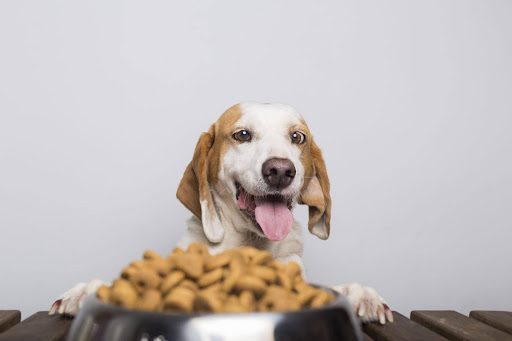
Palatability is a crucial characteristic in feeding our four-legged friends. In this article from Biorigin, we will discuss the elements that make up the palatability of pet food, highlighting the importance of this aspect in voluntary acceptance and adequate consumption by pets.
Palatability: Exploring Its Aspects
Palatability for pets, characterized as a complex quality, goes beyond the taste experience. Nutrition researchers have dedicated years to uncovering the influence of palatability on pet food preferences. Studies highlight the importance of palatability in the diet of dogs and cats, exerting a direct influence on the amount consumed spontaneously.
Key Factors in Food Palatability:
Discover the three pillars that make up the factors involved in pet palatability:
Food:
- Aroma is a crucial element, given the keen olfactory sensitivity of animals.
- Shape, texture, flavor, kibble size, and other factors influence palatability.
Animal:
- Species, breeds, morphological characteristics, and feeding behavior affect pets’ experience with food.
Environment:
- Environmental conditions, the presence of other animals, and stress factors can interfere with food intake.
The Importance of Digestibility in Palatability:
Nutritional composition is as crucial as pet palatability. Pet food must contain essential nutrients while being highly digestible. Laboratory tests that analyze undigested matter in feces help provide insights into digestibility.
Factors Affecting Digestibility:
- Formula: The diversity of ingredients influences nutrient absorption and availability.
- Ingredient Quality: High-quality ingredients promote better digestion.
- Processing: Treatment and storage conditions impact digestibility.
Palatants for Pet Food:
Palatants, ingredients dedicated to improving flavor, aroma, and texture, enhance pet food’s palatability. These palatants can be of plant or animal origin, including proteins, yeasts, phosphates, antioxidants, and other compounds.
Levels of Palatants:
There are three levels of palatants: economic, mid-level, and premium.
Investing in premium palatants can result in highly palatable pet food, boosting sales. An example of a premium palatant is hydrolyzed chicken protein, which offers both palatability, bioactive properties, and high digestibility.
Additionally, yeast extract is an ingredient that directly impacts the flavor of food and can be included in pet food formulations to enhance the flavors and aromas present in the food.
Conclusion:
Careful ingredient selection is essential when formulating pet food. Suppliers aligned with pet palatability and digestibility concepts ensure the development of successful products. Therefore, pet owners must ensure that each meal is a delicious experience for their pets, harmoniously balancing flavor, health, and nutrition.
Maximizing Pet Palatability for Complete and Tasty Nutrition
Trends in Pet Food: Innovations Transforming the Market
Benefits of prebiotics for animal nutrition: What you need to know?
Discover the Countless Benefits of Yeast Extracts for nutition and Well-Being
The Importance of MOS in the Diet of Production Animals